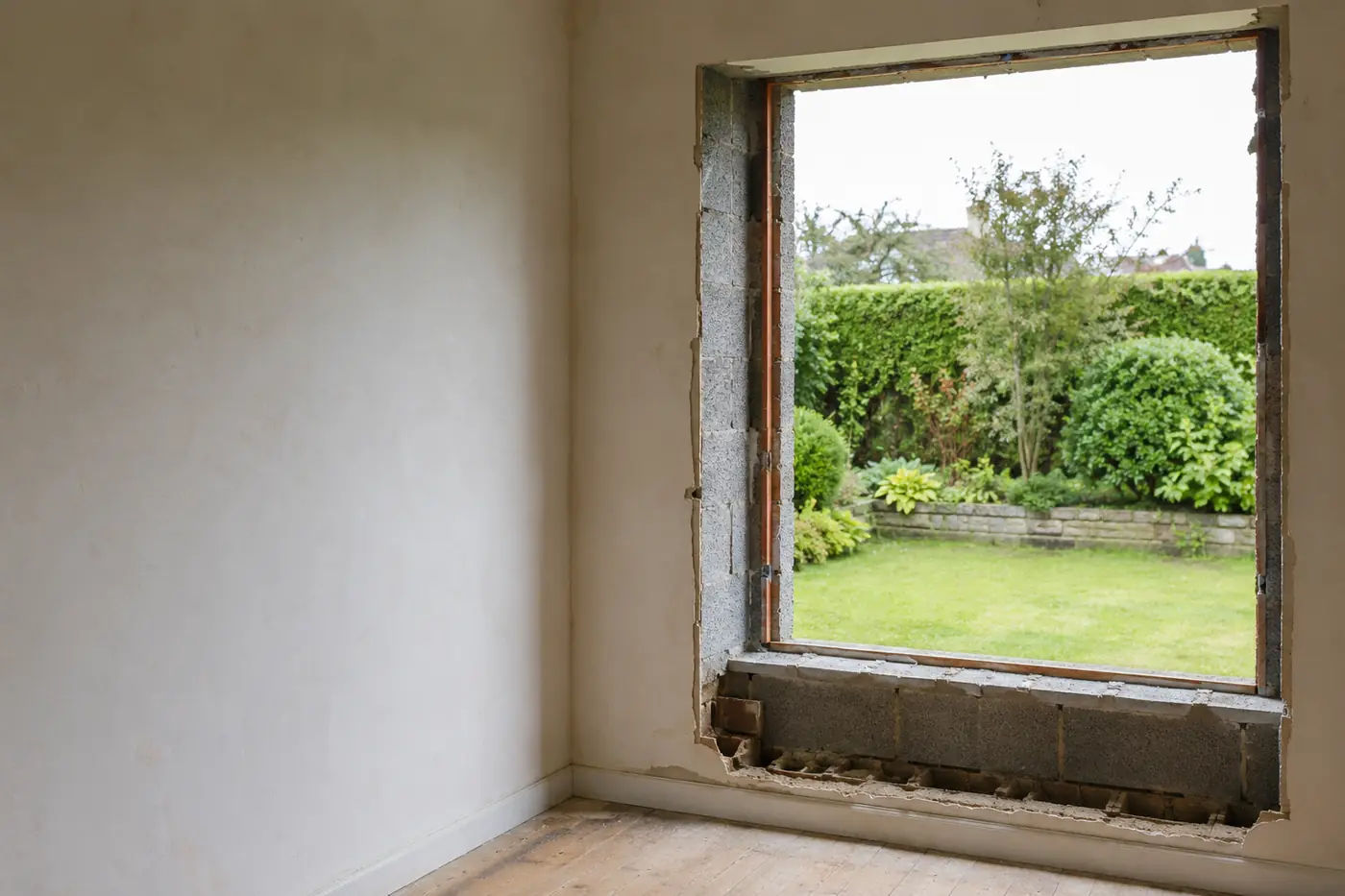
Replacement Windows in Ireland
What a Full House of Replacements Involves, How the Materials Compare, and What to Check in Two Quotes
Replacement windows in Ireland, with listings taken from the SEAI public register as at the last check. Whether it is a full house of uPVC or a handful of failed units, this is what the job involves and what to ask before anyone quotes.
When Is It Time to Replace Rather Than Repair?
Replacement windows are rarely urgent, which is the useful part. Most people start looking after a winter of draughts they cannot trace, a sealed unit that has misted, or a sill that gives when you press it.
Not all of that needs a replacement. A failed sealed unit in a sound frame is a swap rather than a new window, and a dropped sash is usually a hinge. The point at which replacement becomes the right answer is when the frame itself has gone: rot at the sill, corners that have opened, or hardware that is no longer made.
A measured survey settles it in about a minute. Any contractor quoting without one is guessing.
What Are You Actually Having Done?
Twelve jobs, from a misted pane swapped to a full house of aluclad. Here is what each one fixes, what it involves and what affects the cost.
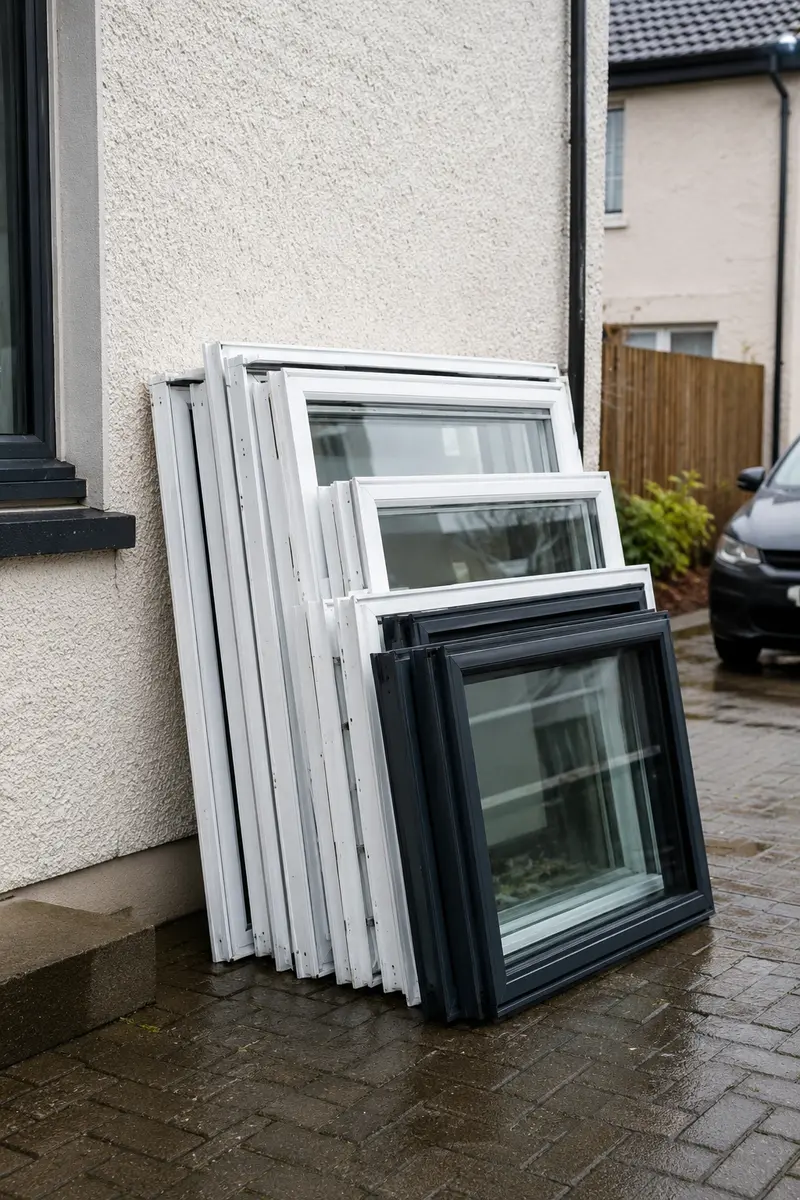 A Full House of Replacements Can help with draughts, rot and condensation, depending on the cause. The house is disrupted for a few days. A Full House of Replacements Indicative cost Priced per opening What it costs →
 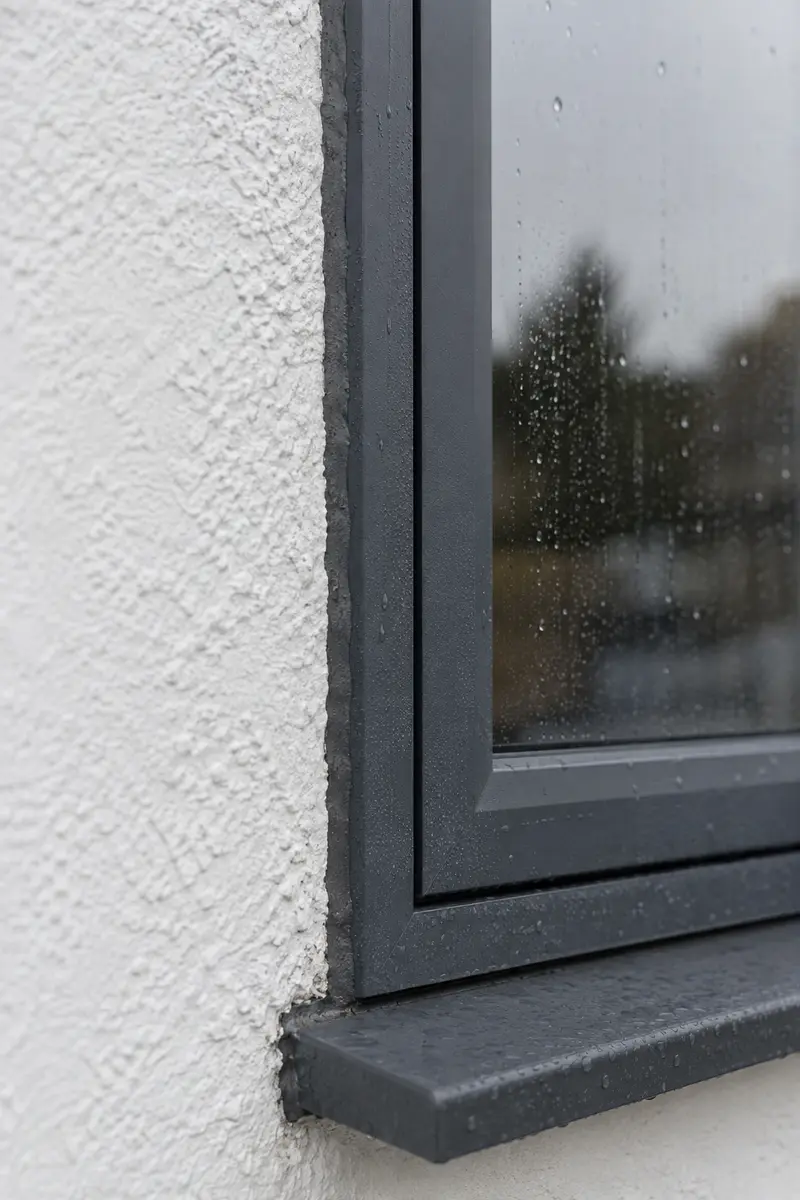 uPVC Windows A widely used option across Irish housing. Chunkier frames than timber. uPVC Windows Indicative cost Usually the lower cost option Compare the materials →
 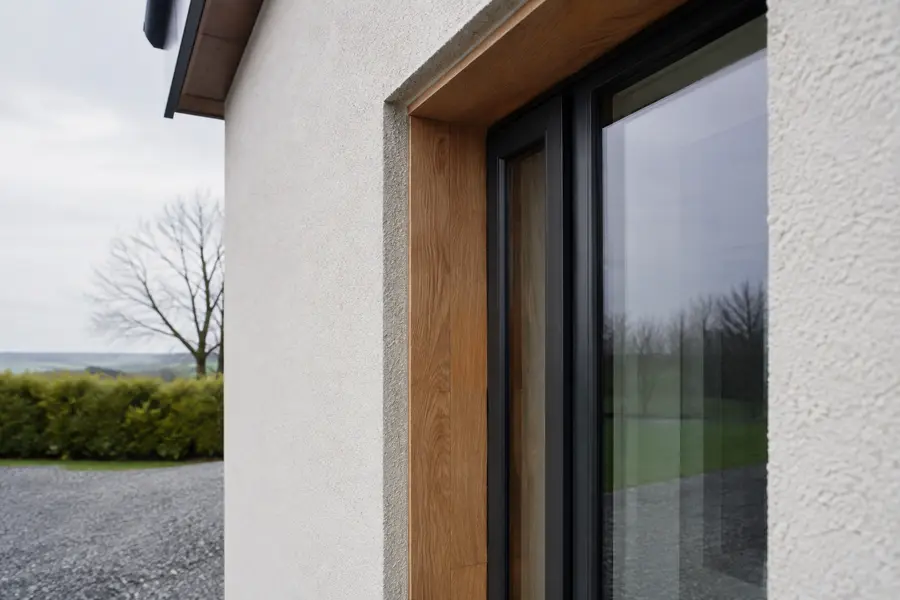 Aluclad Timber inside, aluminium outside. Usually costs more than uPVC. Aluclad Indicative cost Usually higher upfront than uPVC See aluclad and timber →
 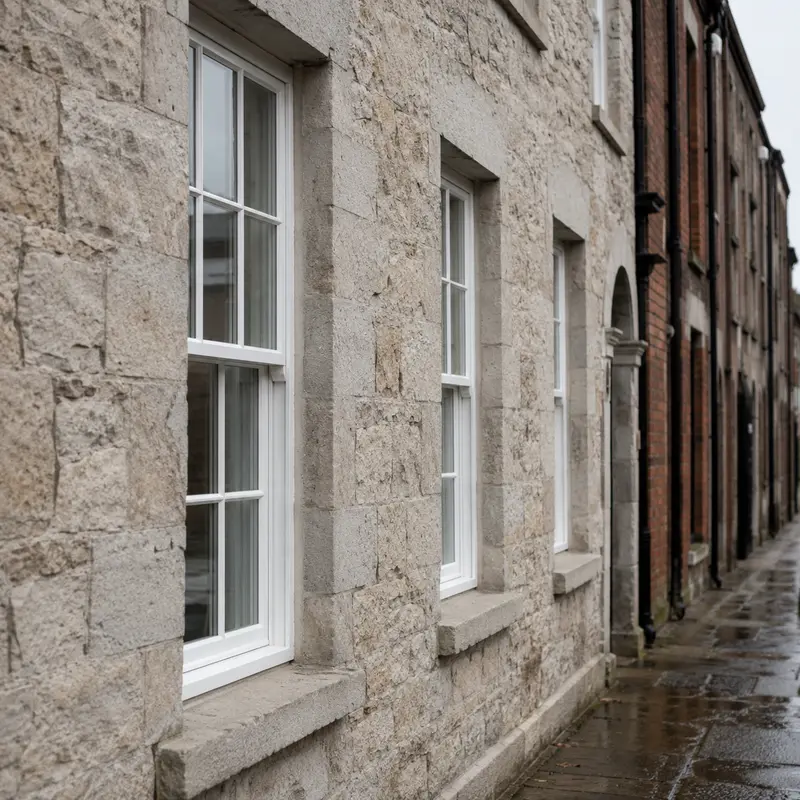 Sash Windows Keeps a period house looking right. Needs painting every few years. Sash Windows Indicative cost Priced per window See aluclad and timber →
 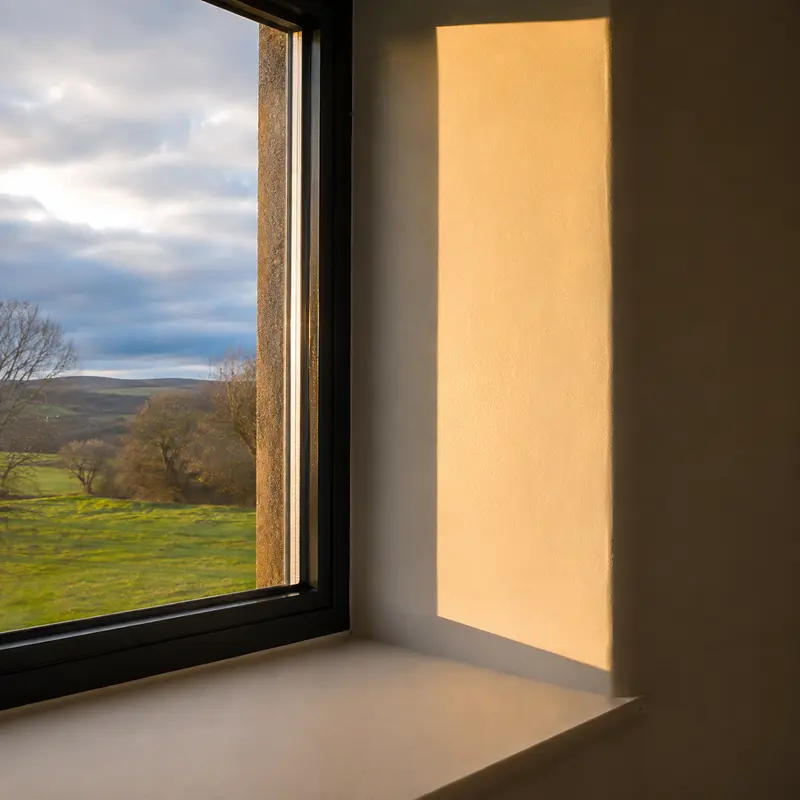 Triple Glazing Quieter rooms and warmer glass edges. Rarely worth it on a sheltered wall. Triple Glazing Indicative cost Ask for quotes both ways Is it worth it? →
 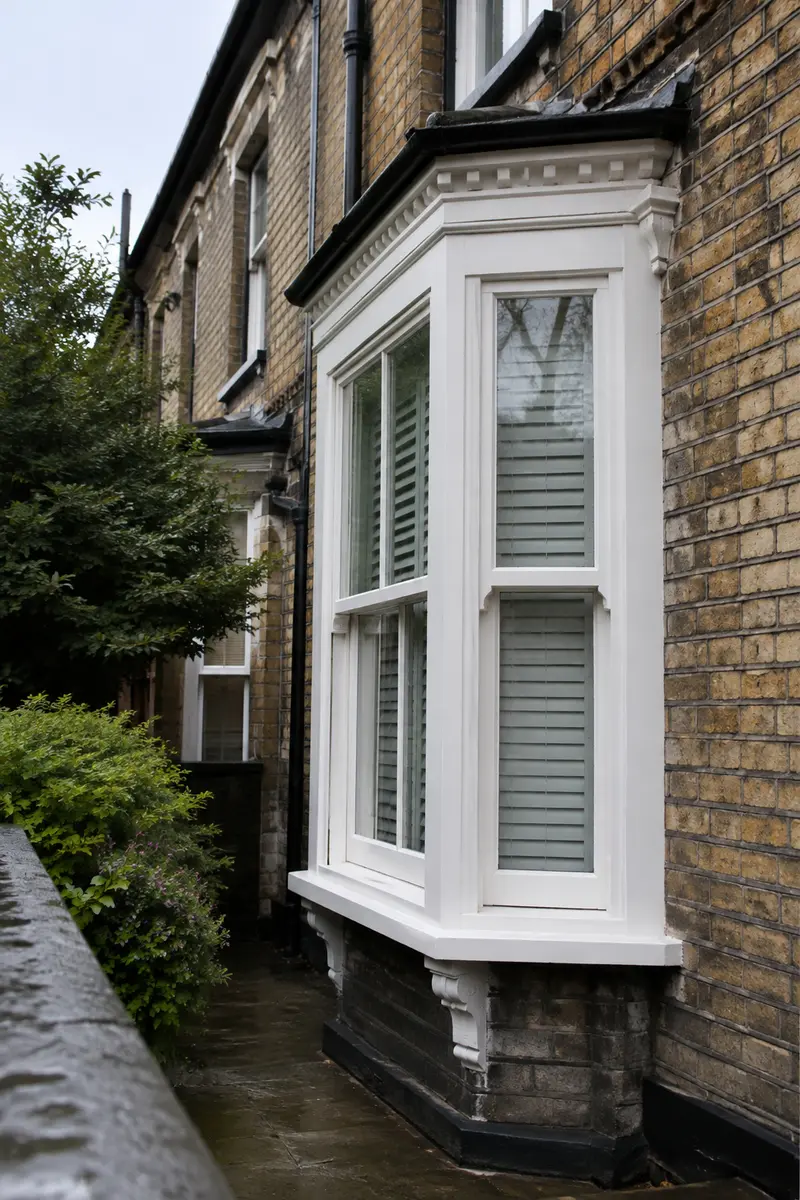 Bay Windows Often a three part opening, so ask how it is priced. Access above a porch adds time. Bay Windows Indicative cost Priced per opening What it costs →
  Misted Units Clears the fog for a fraction of a new window. Only if the frame is still sound. Misted Units Indicative cost A fraction of a new window Repair or replace? →
 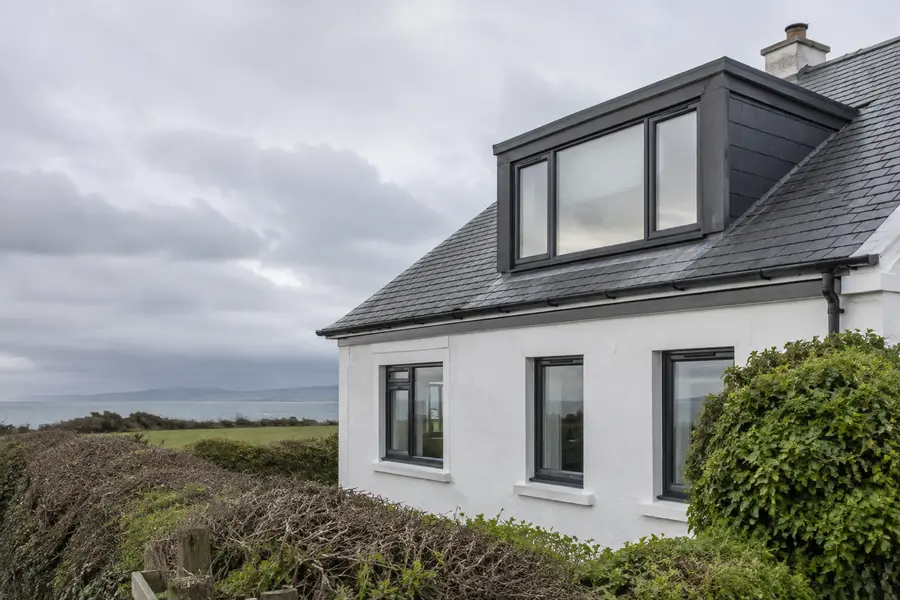 Dormer Windows Daylight into the rooms that get least of it. Access adds to the day. Dormer Windows Indicative cost Priced per opening What it costs →
 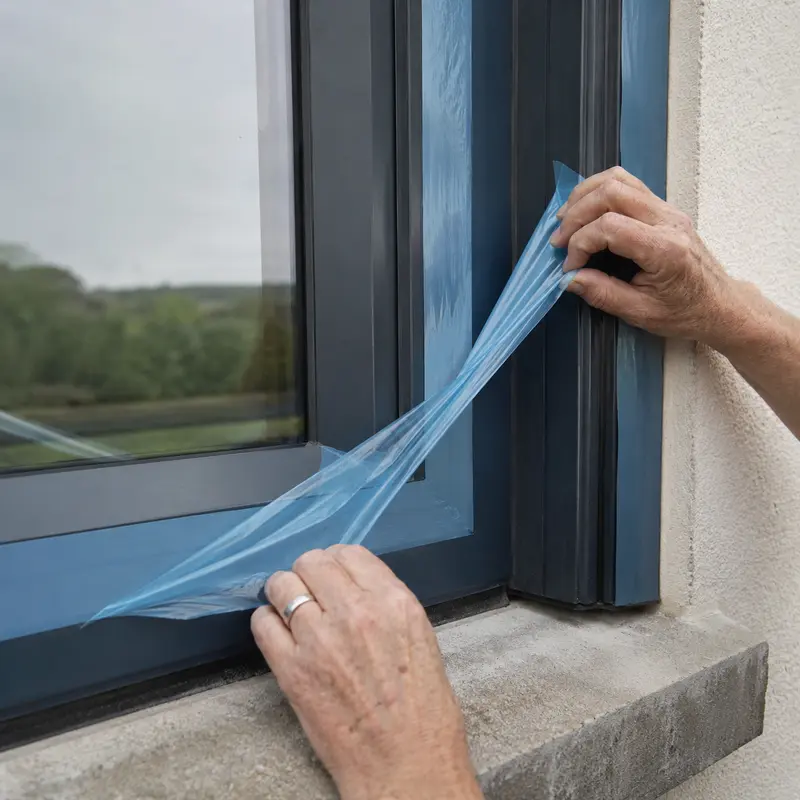 Draughty Frames Most draughts are the joint, not the glass. Needs the cause found first. Draughty Frames Indicative cost Often a repair Repair or replace →
 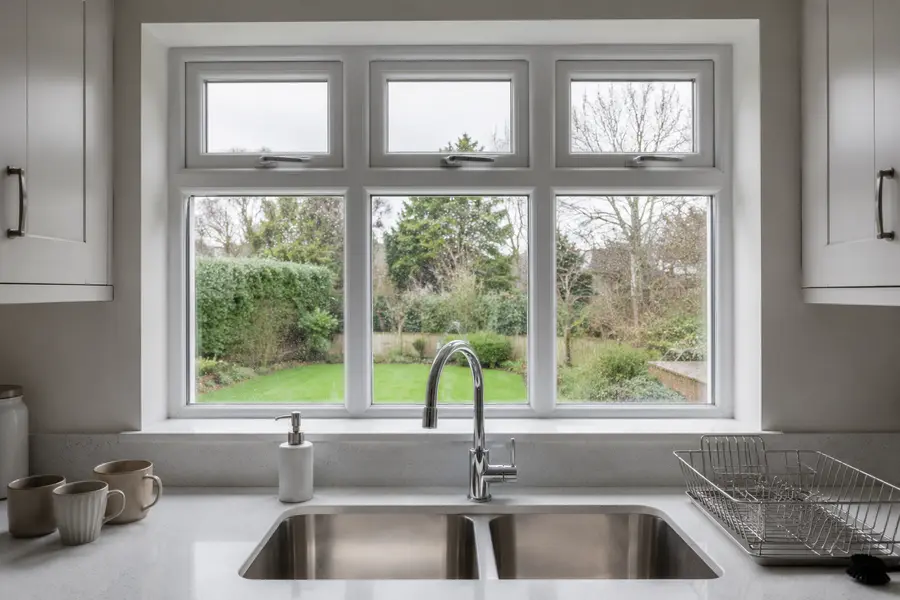 Kitchen Windows The one you stand at every day. Sink runs mean tight access. Kitchen Windows Indicative cost Priced per opening What it costs →
 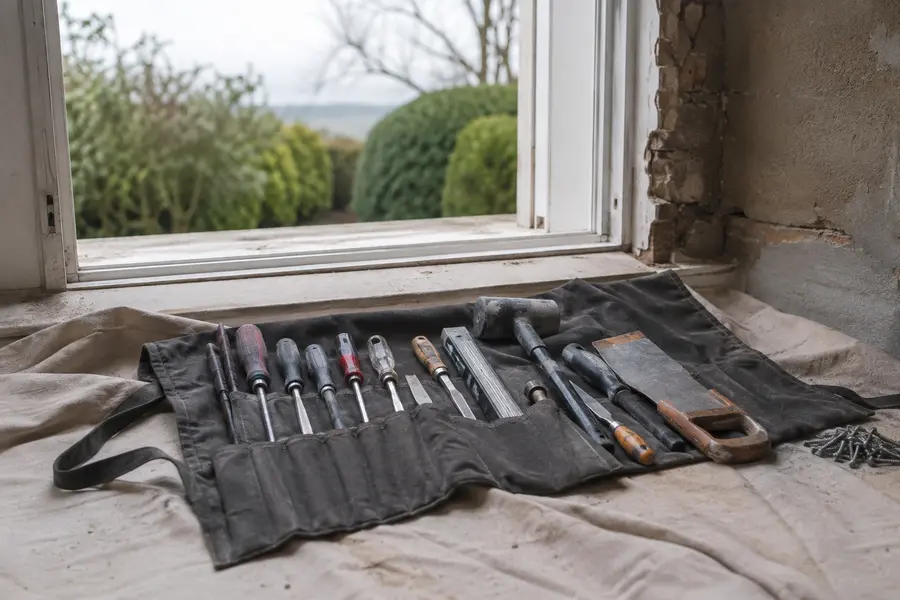 Window Repairs Usually the lower-cost option. Buys years, not decades. Window Repairs Indicative cost Smallest job on the list Repair or replace? →
 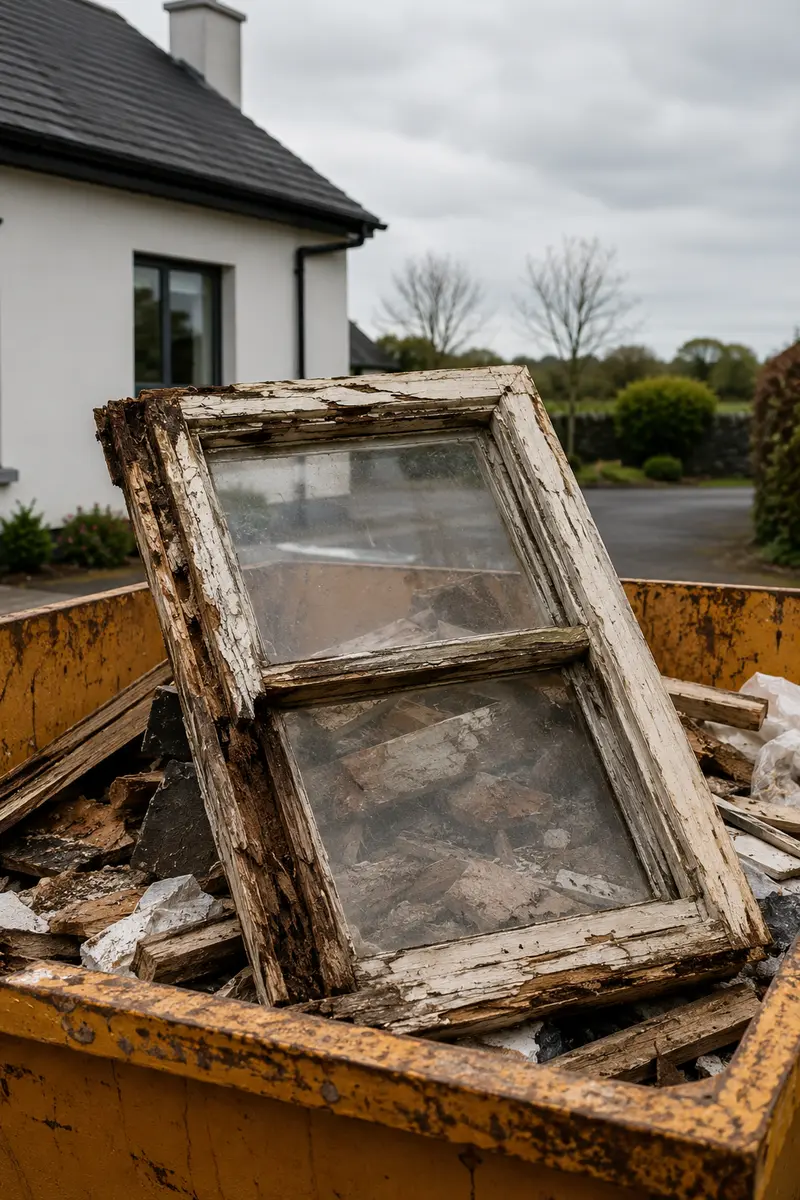 Rotten Frames Past repair once the sill gives. A repair here only delays it. Rotten Frames Indicative cost Full replacement Repair or replace? →
 Not sure which one you need?
Most people start with a draught or a window that will not close and find out on the survey whether it is a repair or a replacement. A contractor will tell you straight.
Find installers by countyWhat Quietly Gets Left Out of a Cheap Quote
The frame is the easy part to price. What separates two quotes on the same house is almost always what happens around it.
Making good is the usual gap. Taking a window out disturbs the plaster inside and the render outside, and a quote that stops at the frame leaves you holding both. Ask specifically, and get the answer in writing.
The second gap is disposal. Old frames either leave in the fitter's van or they sit in your driveway until you hire a skip.
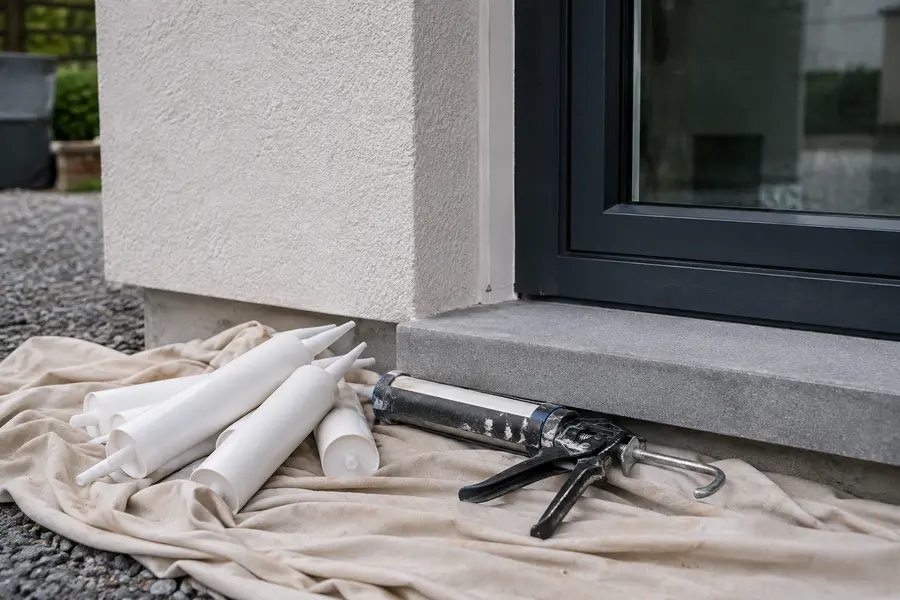
The third is the perimeter seal. It is an important part of the job and worth checking in the quote.
How Long Replacement Windows Take, Start to Finish
Almost all of the wait is manufacturing rather than fitting. Frames are made to the measurements taken at your survey, so nothing can be ordered until somebody has stood in every room with a tape.
Six to twelve weeks from survey to delivery is the normal range. Foiled colours, non standard glazing and anything with a shaped head sit at the longer end, because those are not held in stock in the way white uPVC casements are.
The fitting itself is short by comparison. A standard three bed semi is usually two to four days, and a good crew works one opening at a time rather than stripping the house and leaving it open to the weather.
Ask the contractor when the lead time starts and get it in writing. If a date matters to you, say so before you order. What replacement windows cost goes through how lead time and specification move together.
Do You Need Planning Permission to Replace Windows?
For a straightforward like for like replacement in an ordinary house, generally no. You are replacing what is already there in the same openings.
Two situations change that completely. If the house is a protected structure, works affecting its character usually need consent, and that includes the windows. If it sits in an architectural conservation area, the rules apply to what is visible from the public road, which is normally the front elevation.
In both cases the local authority is the authority, not the contractor and not this page. Ring the conservation officer before you order anything, because made to measure frames cannot be sent back.
Where consent is needed, the specification usually follows: slim timber sections and true sash proportions rather than standard uPVC. That is covered in the material comparison, and aluclad and timber windows is the type page for it.
Changing an opening is a different matter again. Making a window bigger, moving it, or turning a window into a door affects the structure and is not a like for like replacement in anybody's reading.
The Whole House at Once, or in Stages
Per window, doing the house in one go can work out cheaper. The survey, the delivery and the fitting crew are one visit rather than several, and each extra visit may be priced separately.
Phasing is still reasonable when budget is the constraint, as long as the order is right. Do the worst elevation first, which on an exposed site is whichever one takes the prevailing wind and rain. Doing half of every room instead leaves a house that is neither warmer nor finished.
Say at the first survey that it is a phased job. Profiles get discontinued and foil colours get reformulated, so matching in two years is far easier when the first phase was recorded properly and chosen with the second in mind.
It is also worth pricing the doors at the same time even if you fit them later. One survey covers both, and a composite front door or a set of patio and sliding doors specified alongside the windows will actually match them.
If grant funding is in play the order may not be yours to choose. The assessment may set the order of work, so ask SEAI before you commit.How SEAI grants apply to windows and doors sets out how that works.
Choosing Between Two Contractors
Once you have two quotes that price the same scope, the decision stops being about the windows and becomes about the fit, because that is where jobs go wrong.
Ask both for two addresses locally where they did the same work in the last year or two, and go and look at the outside. What you are judging from the footpath is the joint where the frame meets the wall: whether the render is made good and painted, or whether a bead of silicone is doing work it was never meant to do.
Ask who is actually on site, whether the person who surveyed will be among them, and who you ring for an adjustment six months later. Snagging is normal on a full house, and a contractor who expects to come back once is being realistic rather than careless.
How to choose a window and door contractor goes through the rest, including what belongs in a written quote and the warning signs worth walking away from.
Replacement Windows by County
Contractors are listed by registered address, from the SEAI register and other public records.
- Carlow10
- Cavan9
- Clare10
- Cork54
- Donegal26
- Dublin122
- Galway35
- Kerry16
- Kildare31
- Kilkenny12
- Laois8
- Leitrim3
- Limerick32
- Longford5
- Louth23
- Mayo18
- Meath36
- Monaghan8
- Offaly19
- Roscommon6
- Sligo9
- Tipperary24
- Waterford17
- Westmeath13
- Wexford26
- Wicklow17
What Actually Happens on a Window Job
Four stages, and the two in the middle are where a cheap quote saves its money. Almost nothing fails through the glass: it goes at the joint where the frame meets the wall, and it is the making good that gets left out.
Replacement Windows: Common Questions
How long does a full house of replacement windows take?
The fitting itself is usually two to four days for a standard three bed semi. The wait is the manufacturing: six to twelve weeks from survey to delivery, because the frames are made to your measurements.
Can I replace windows one room at a time?
Yes, and it is a sensible way to spread the cost. Phasing may cost more per window, because the survey, delivery and setup happen more than once, so ask for a quote for both approaches.
Do I need planning permission?
Usually not for a like for like replacement. A protected structure or an architectural conservation area changes that completely, so check with the local authority first if your house is listed.
Will new windows stop condensation?
Condensation between the panes, yes, because that is a failed unit. Condensation on the room side of the glass is usually a ventilation and humidity issue that new windows alone will not solve.
Is it cheaper to repair a window than replace it?
Far cheaper, and often the right answer. A misted sealed unit in a sound frame is a swap. Worn hinges, a stiff handle or perished seals are all replaceable parts. Replacement is for when the frame itself has gone soft, twisted or opened at the corners.
What should a replacement window quote include?
The number and type of openings, the frame material and finish inside and out, the glazing make up and which panes are toughened, who removes and disposes of the old frames, what making good is covered in plaster and render, the lead time from survey, and the payment schedule.
How much disruption is a full house of windows?
Less than people expect. A good crew works one opening at a time rather than opening the whole house, covers floors and furniture first, and closes up each room before moving on. You can live in the house throughout.
Do replacement windows add value to a house?
They affect how a house presents and they affect its BER, both of which matter at sale. Treat that as a side effect rather than the reason: the case for replacing windows is comfort, draughts and maintenance, not resale arithmetic.
Getting Quotes for Replacement Windows
Get two or three quotes from contractors on the SEAI register, all after a measured survey, and compare what is actually included rather than the headline figure.
589 contractors from the SEAI register and other public records
- 1What is wrong with the ones you have?
- 2What sort of house is it?
- 3What matters most to you?