Published
Where Triple Glazing Genuinely Helps
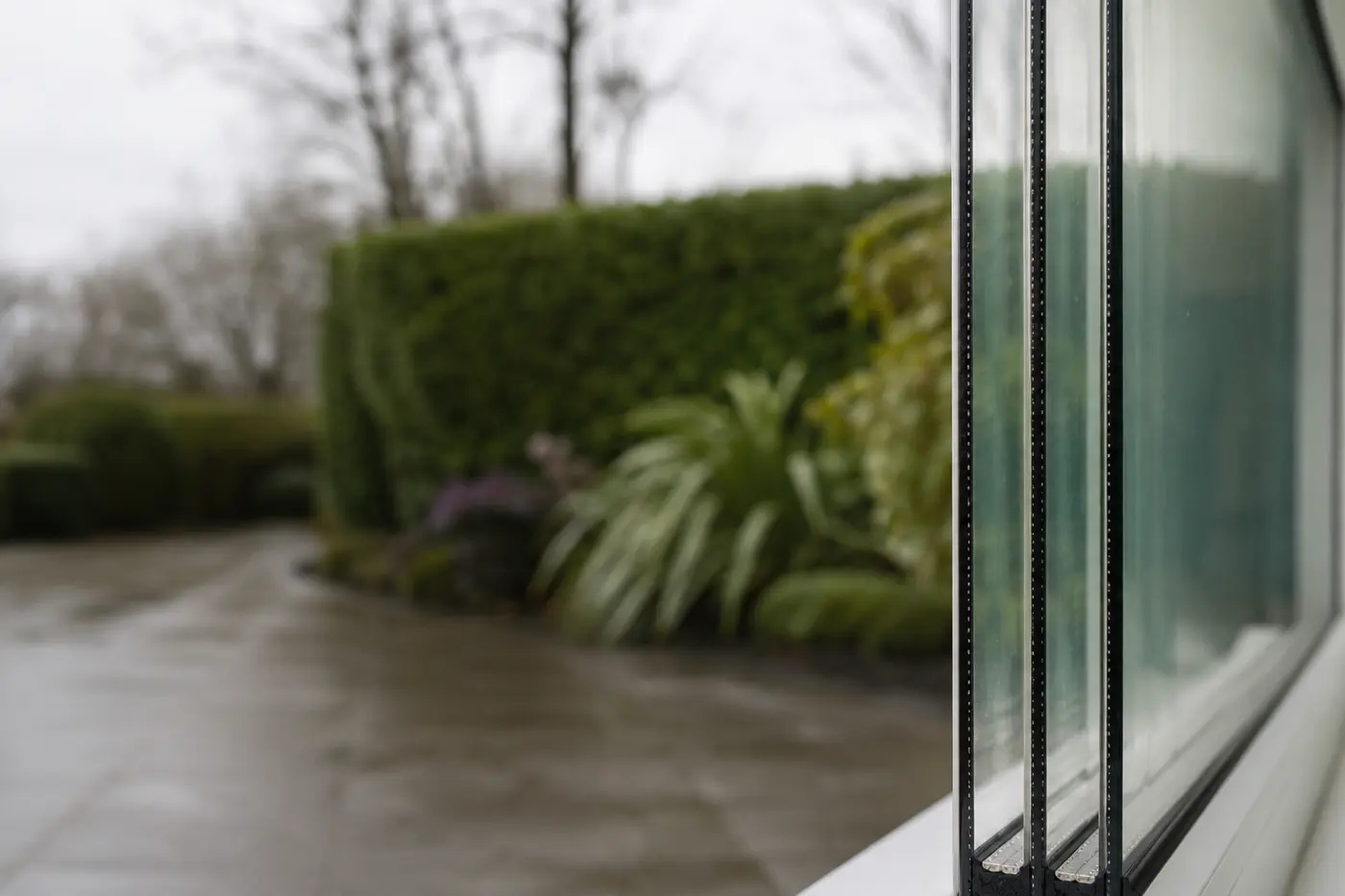
It helps most on exposed elevations taking wind and driving rain, on a noisy road, and in a house that is already well insulated everywhere else.
That last condition is the one people skip. Triple glazing in a house with an uninsulated attic is money spent on the wrong part of the building. Fabric first is not a slogan, it is the order the work should happen in.
The other genuine benefit is comfort rather than efficiency: a warmer inner pane means less cold radiating off the glass, so you can actually sit beside the window in January.
That comfort effect is worth more than the bill saving in most houses, and it is the thing people actually notice. A cold pane pulls heat off whatever is near it, including you, which is why a room can read as draughty when the air temperature is fine. Warming the inner pane changes how a room feels to sit in, and it usually changes how the whole room gets used.
It also helps where a window is very large. A wall of glass in a modern extension loses heat over a big area, and the difference between two panes and three is proportional to that area. On a standard bedroom window it is marginal. On a six metre run of sliding doors it is not.
Where Double Glazing Is Enough
On a sheltered wall, in a house that is otherwise draughty, the third pane will not pay for itself. The same money spent on insulation or on better fitting will do more.
Triple glazed units are also heavier, which puts more load on hinges over time.
That weight has a second consequence people meet later. A heavier sash needs better hardware to stay square, and on a wide opening it wants a more robust hinge than a double glazed equivalent. If a quote adds a third pane without changing anything about the ironmongery, that is worth a question rather than an assumption.
Geography decides this more than most sales conversations admit. In Dublin, where age and traffic noise drive replacement more than weather damage does, the case for a third pane is usually about sound rather than heat, and sound is not what triple glazing is best at. In sheltered inland counties like Kildare and Meath, a good double glazed unit in a well sealed frame is very often the right buy, and the difference is better spent on the attic.
Does Triple Glazing Reduce Noise?
Glazing is rated separately for heat and for sound, and a unit chosen for one is not automatically good at the other. Triple glazing is designed to reduce heat loss.
Sound is reduced by mass, by different pane thicknesses, and by a wider gap between panes. Three panes of equal thickness in a narrow unit can perform no better than two, and occasionally worse, because two identical panes resonate together.
If noise is the problem you are solving, ask for the acoustic rating of the unit. That usually means asymmetric pane thicknesses, often with a laminated pane, and it is a different specification to a thermal one. A contractor who treats triple glazing and acoustic glazing as the same request has not understood the question.
It is also worth confirming what is actually letting the sound in. A trickle vent, a letterbox or a gap under a poorly sealed door will undo any glazing upgrade, and all three are cheaper to fix.
Condensation, Ventilation and the Trap
People replace windows because of condensation and are then surprised to find condensation afterward. Usually the windows were not the cause.
Condensation forms where warm moist air meets a cold surface. Old windows were the coldest surface in the room, so they collected it first. Fit better glazing and the glass stops being the coldest surface, so the moisture goes somewhere else: a corner behind a wardrobe, a cold spot at a wall junction, or the reveal around the new frame.
Sealing a house tighter without giving moisture a way out moves the problem rather than solving it. This is why trickle vents exist and why blocking them is a false economy. In the wettest counties, Leitrim and Roscommon among them, where the air carries moisture for most of the year, ventilation is not an optional extra on a glazing job.
If a room already suffers, say so at the survey. It changes what should be specified, and a warm edge spacer at the perimeter of the unit will often do more for corner condensation than a third pane will.
The Fit Matters More Than the Pane Count
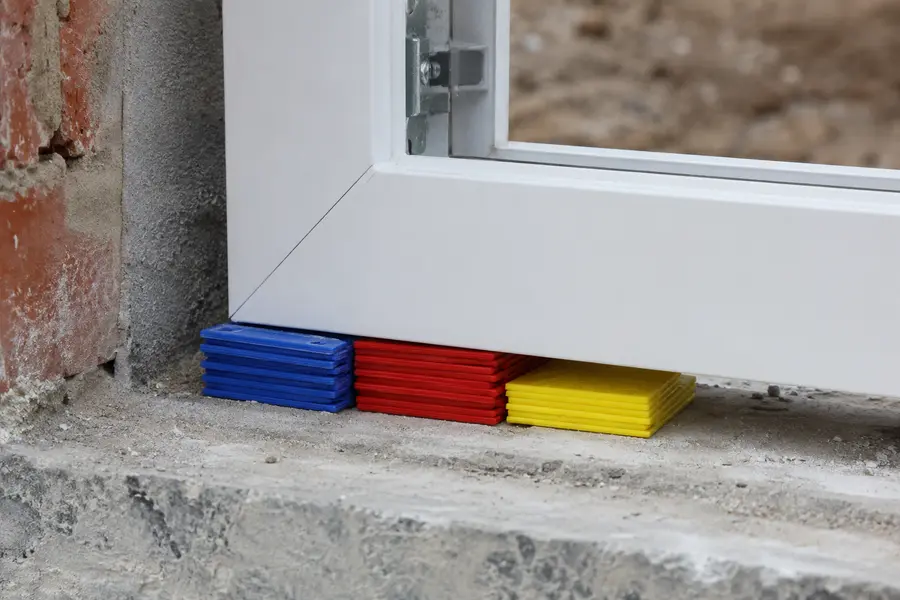
A modest double glazed unit sealed properly at the perimeter outperforms a triple glazed unit in a frame that was not packed and sealed correctly. Most of the draught people feel comes from the joint between the frame and the wall, not through the glass.
When you compare quotes, ask about the perimeter detail before you ask about the U-value.
Ask for the whole window U-value rather than the centre pane figure. The centre pane number always looks better because it excludes the frame and the edge of the unit, and those are exactly where the losses concentrate. Two quotes can name very similar glass and deliver very different windows.
Then ask how the frame is packed and sealed at the reveal, and whether the perimeter is taped or foamed and made good. That answer tells you more about how the house will feel next winter than any figure on a specification sheet. If it is hard to get a straight answer, ask two or three contractors registered in your own county and compare how they describe the same detail.
Deciding Room by Room Instead of House by House
Triple glazing is usually sold as a whole house decision and it rarely needs to be one. Different rooms have different problems, and specifying them differently is both cheaper and better.
The rooms that benefit are the ones you sit still in, on the elevation taking the weather. A sitting room with a large window on a west facing wall is the classic case: you are stationary, you are there in the evening, and the cold pane is radiating at you the whole time.
The rooms that do not are the ones you pass through. A hall, a landing or a utility gets no real benefit from a third pane, and the money is better spent on the perimeter seal in every room than on extra glass in a few.
Bedrooms sit in between and depend on the house. A bedroom on a quiet sheltered elevation in Meath or Kildare is a straightforward double glazing case. The same room on an exposed gable in Donegal, taking sustained wind loading all winter, is a different question entirely.
Mixing specifications across one house does not show from the outside as long as the frame profile and colour are consistent, because the difference is inside the unit. Tell the contractor what each room is for and let them specify accordingly.
The one place to be careful is a room that already has a condensation problem. There the useful upgrade is usually the spacer at the edge of the unit and the ventilation, not the pane count, and treating it as a triple glazing question tends to produce an expensive disappointment.