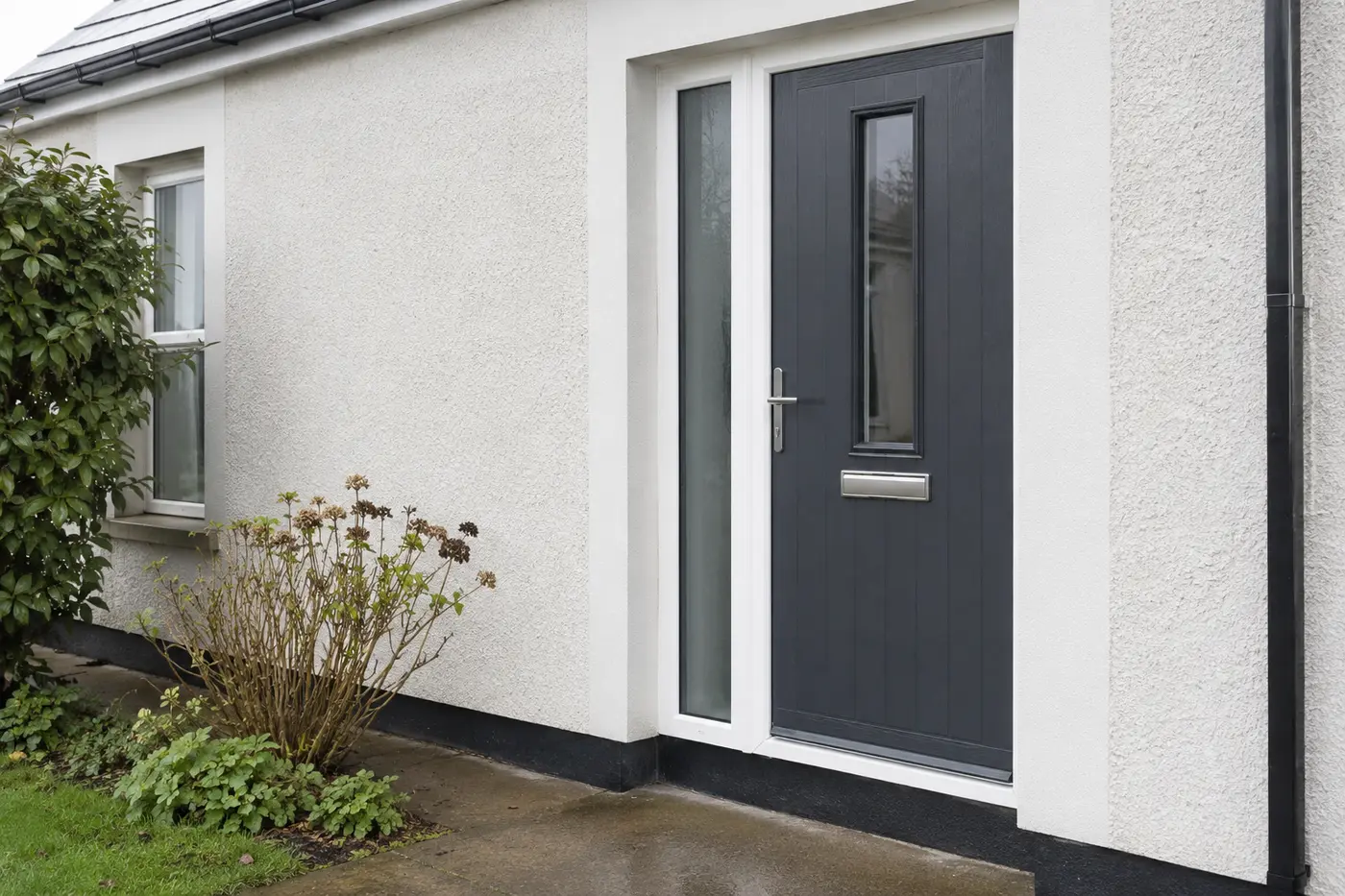
Replacement Doors in Ireland, From Registered Contractors
Front, Back and Patio Doors Compared, What a Fitted Price Includes, and What to Check Before You Order
Replacement doors in Ireland, from contractors on the SEAI public register. Whether it is a front door that has stopped closing cleanly or a full patio opening, this is what the job involves and what to ask before anyone quotes.
When Is It Time to Replace a Door Rather Than Adjust It?
Doors get put off longer than windows, usually because the old one still opens. The tell is rarely dramatic: a door that has to be lifted on the handle to lock, a draught along the bottom rail, or a lock that has started to feel vague.
Plenty of that is adjustment rather than replacement. A door that has dropped is often a hinge, and a stiff multipoint lock is usually a sash that has moved a few millimetres. Both are an afternoon and neither needs a new door.
Replacement is the answer when the leaf itself has gone. Timber that has swollen and shrunk through enough winters will not come back square, and a uPVC door that has bowed under sun on one face will never lock cleanly again.
What Are You Actually Having Done?
Twelve door jobs, from a handle that has stiffened to a wall of bifolds. Here is what each one fixes and what sits behind the price.
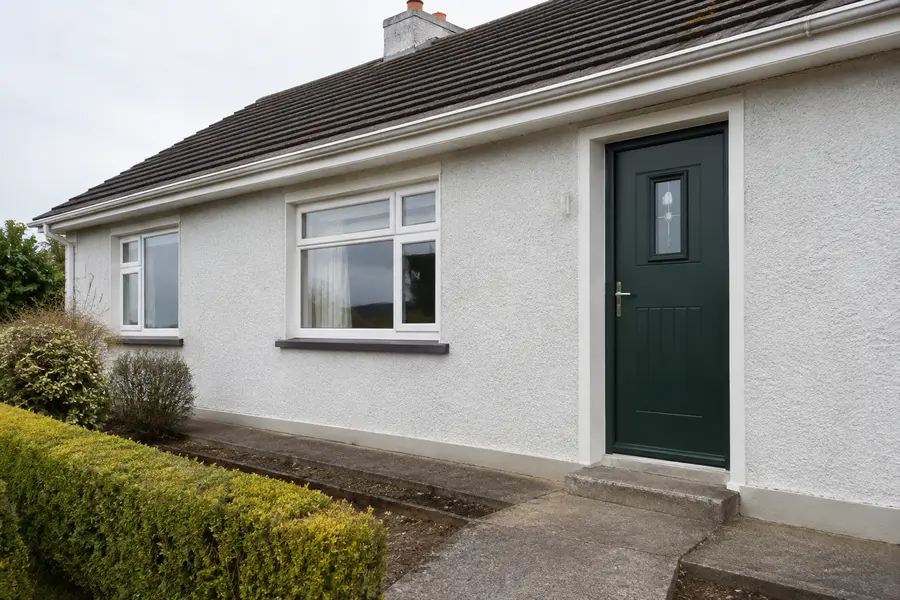 A New Front Door The biggest change to how a house reads from the road. Colour choices add weeks. A New Front Door Indicative cost Priced per opening See front doors →
 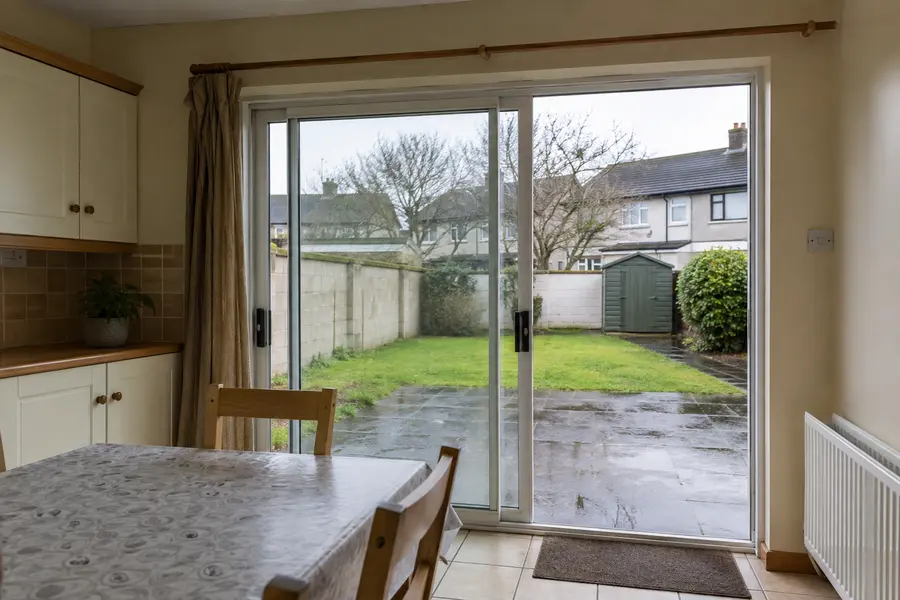 Sliding Patio Doors Glass where a wall used to be. Track needs keeping clean. Sliding Patio Doors Indicative cost Priced per opening See patio doors →
 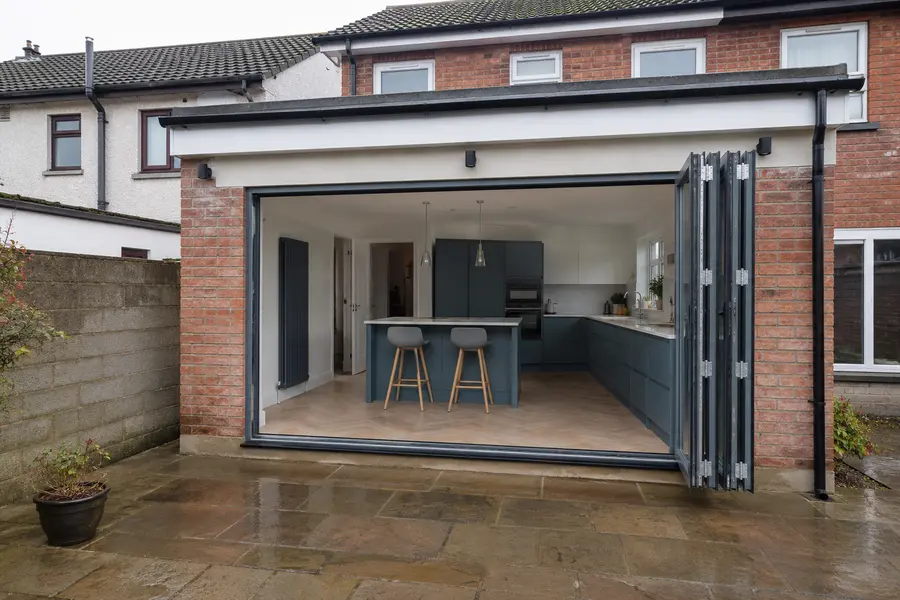 Bifold Doors Stacks right back to open the whole wall. More hardware to maintain. Bifold Doors Indicative cost Dearest of the three See patio doors →
 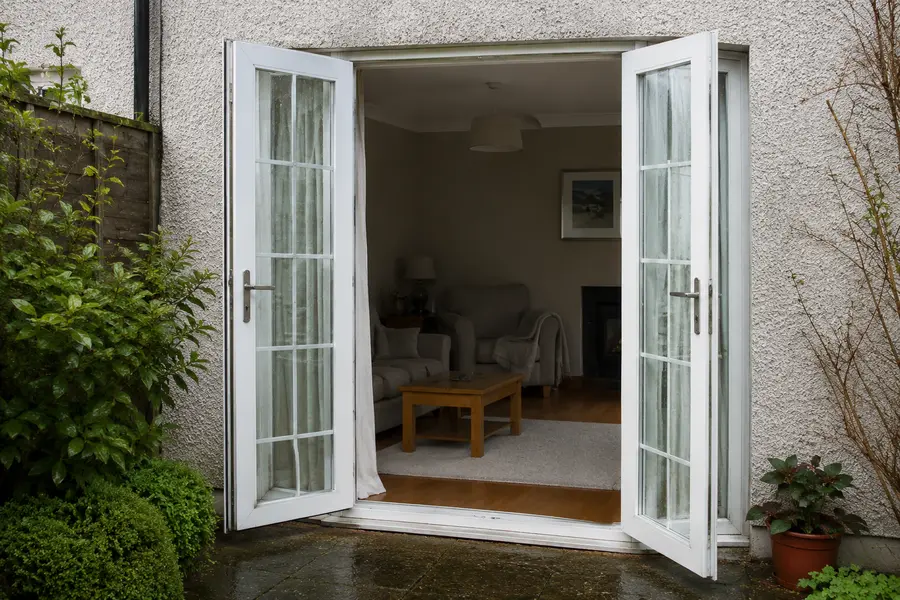 French Doors Opens the full width when you want it. Needs swing clearance. French Doors Indicative cost Least of the three See patio doors →
 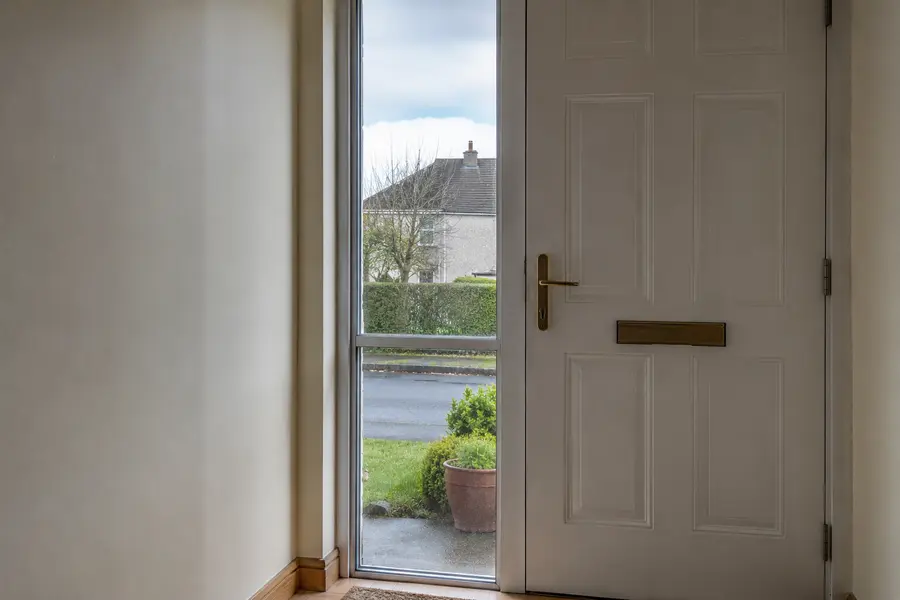 Sidelights and Fanlights Transforms a dark hall. Widens the frame and the job. Sidelights and Fanlights Indicative cost Adds to the opening What it costs →
 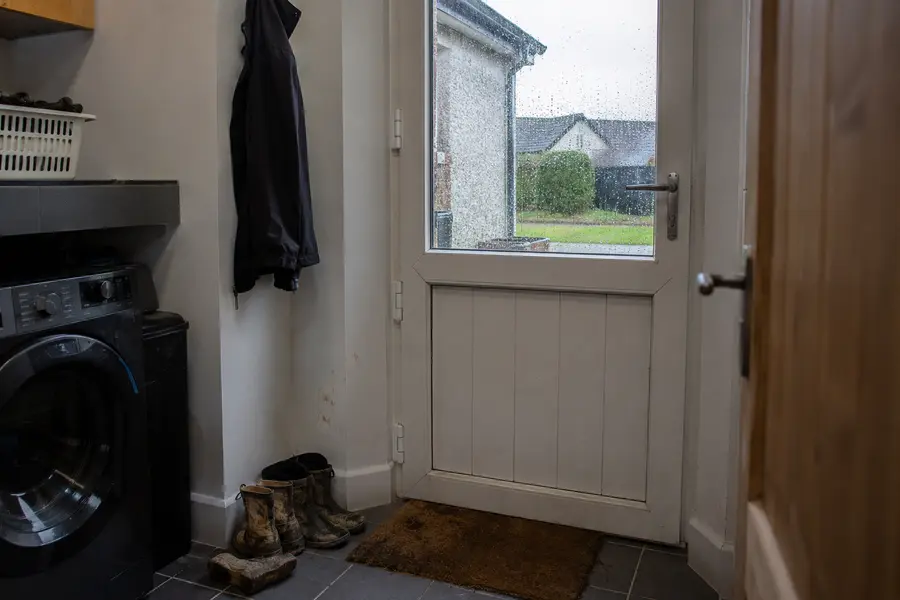 Back Doors Used, not admired. Takes the most wear. Back Doors Indicative cost Less than a front door See replacement doors →
 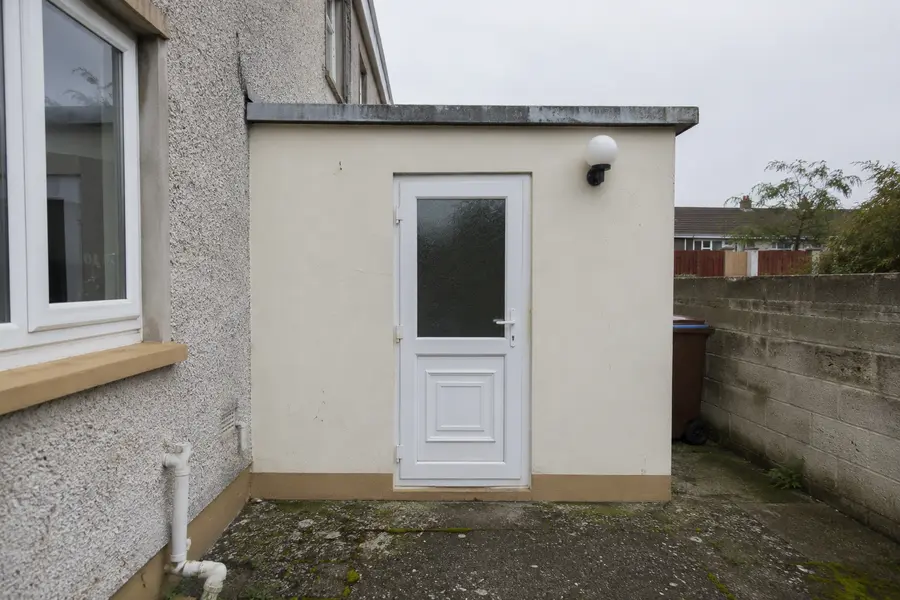 Side and Utility Doors Usually the weakest point on the house. Least money spent on it. Side and Utility Doors Indicative cost Smallest of the door jobs See replacement doors →
 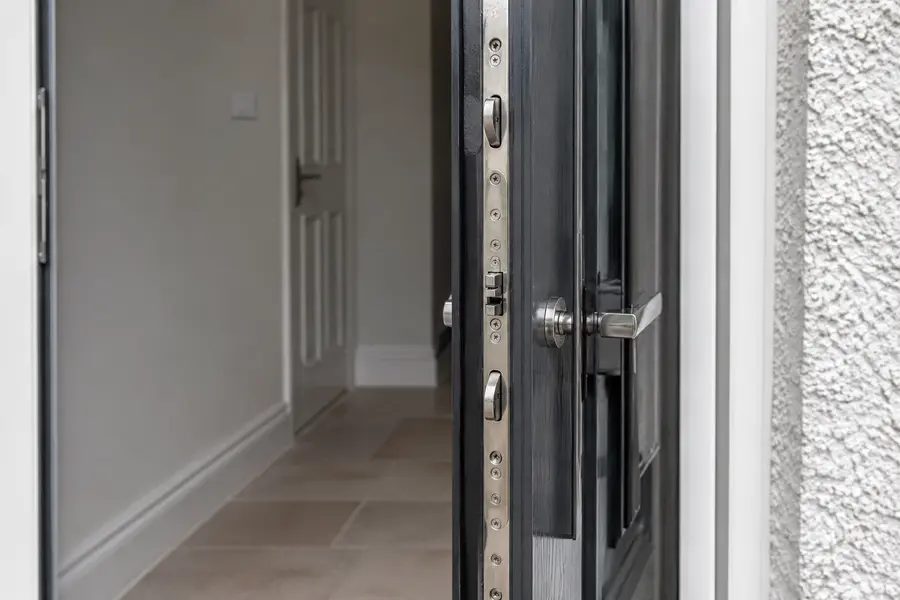 Multipoint Locking Spreads force across the whole frame. Cylinder is a separate spec. Multipoint Locking Indicative cost Often a repair What to check →
 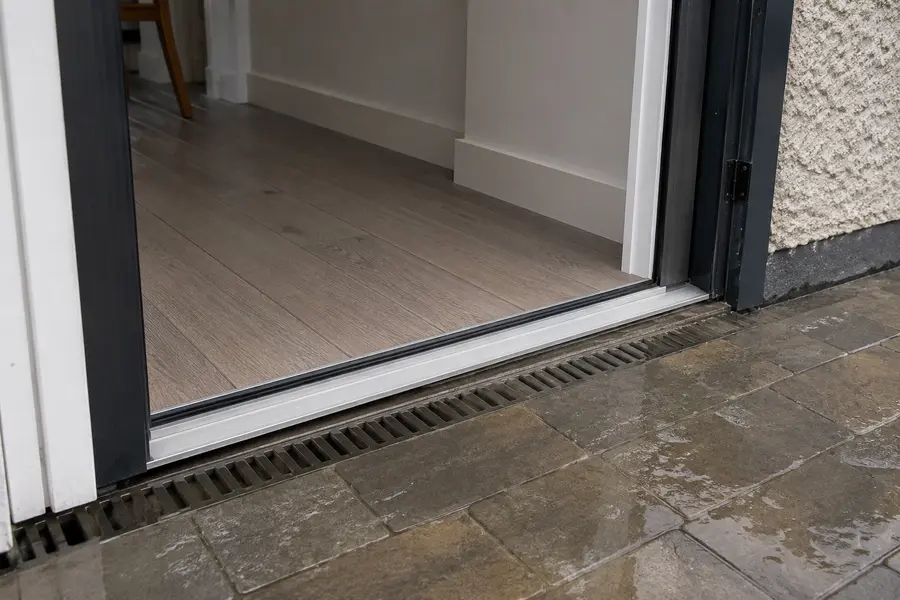 Level Thresholds No step for a buggy or a chair. Needs drainage designed in. Level Thresholds Indicative cost Decided before ordering What it involves →
 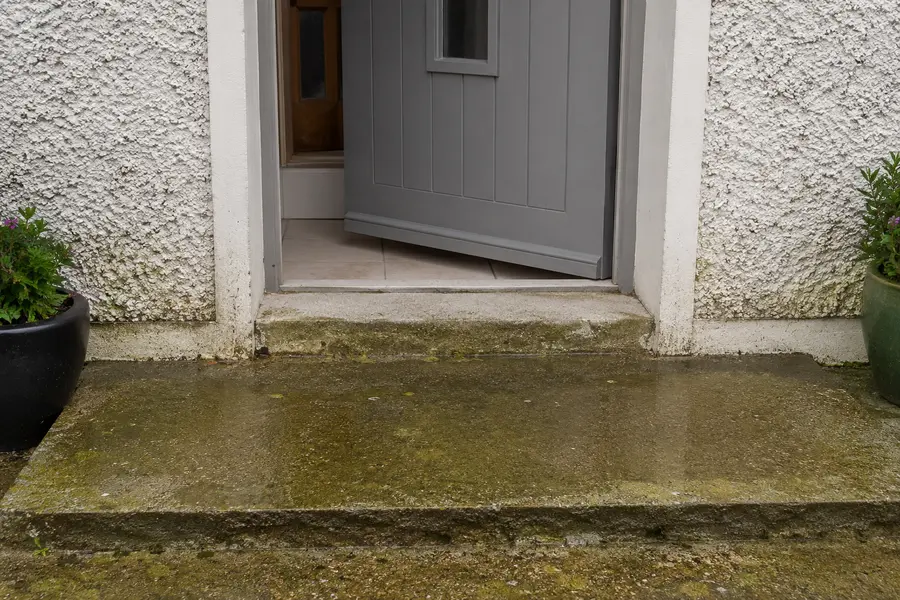 Weathered Thresholds Keeps driving rain out of the hall. A small step to step over. Weathered Thresholds Indicative cost Standard on exposed fronts See replacement doors →
 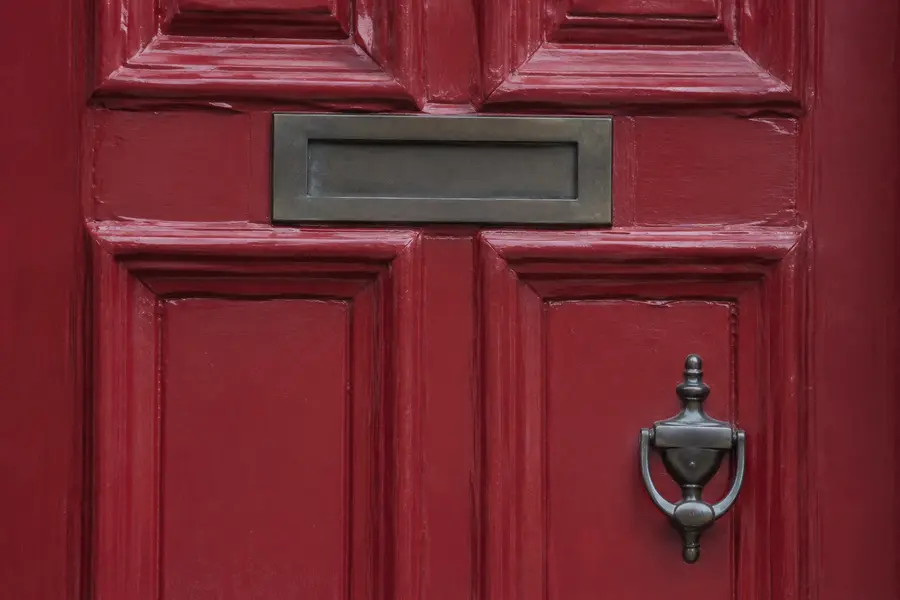 Handles and Letterplates What you touch every day. Corrodes first near the sea. Handles and Letterplates Indicative cost Replaceable on its own See replacement doors →
 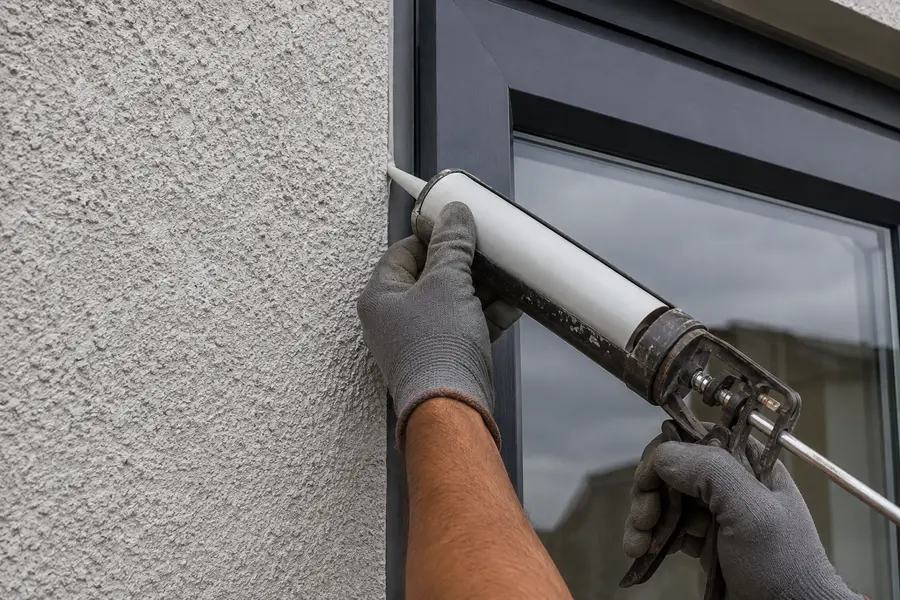 Fitting and Sealing Where a door job is won or lost. Worth confirming it is in the quote. Fitting and Sealing Indicative cost Ask whether it is included How to choose a contractor →
 Not sure which one you need?
Most people start with a door that has to be lifted on the handle to lock, and find out on the survey whether it is a hinge or a new door. A contractor will tell you straight.
Find installers by countyWhat Quietly Gets Left Out of a Door Quote
A door is a smaller job than a house of windows, which is exactly why the gaps in a quote are easier to miss.
Making good is the first. Taking out an old frame disturbs the plaster inside and the render outside, and a front door sits at eye level where people look directly at it. A neat band of made good render, painted to match, is what separates a finished job from a patched one.
The cylinder is the second, and it is the part most commonly attacked and most rarely specified. Ask what standard it meets and whether it is anti snap, because a good door on a poor cylinder is a poor door.
The threshold is the third. A low threshold is easier to live with and harder to get right, and on a door taking driving rain it needs a proper upstand or something above the opening to shelter it.
How Long Replacement Doors Take
A door is made to the measurements taken at your survey, so nothing is ordered until somebody has measured the opening. Several weeks is normal, and non standard colours or glass push it out further.
The fitting itself is usually a day for a single door, less if the frame comes out cleanly. The variable nobody can price from a photograph is whether the old frame was built into the blockwork or screwed into a fixed opening, because the second is far quicker.
The clock starts at the survey rather than the enquiry. If a date matters, ask what is actually held in stock before you settle on a finish.
Which Way Does the Door Face?
This is the single most useful thing to tell a contractor, and the one most often left unsaid.
A door taking the prevailing weather needs a threshold and a seal specified for it. On the Atlantic seaboard rain arrives horizontally and under pressure, and a low threshold chosen purely for looks will let water track under it. Salt is a separate problem again, corroding handles, letterplates and hinges years ahead of schedule.
Inland the calculation changes. Doors get replaced because they are dated or draughty rather than because the weather has beaten them, which makes a level threshold for a buggy or a wheelchair a far easier thing to design in.
If you want a genuinely level threshold, say so early. It is achievable, but it needs drainage in front of it, and that is decided before the door is ordered rather than after.
Doors and Windows Together
If you are pricing replacement windows as well, get both surveyed in one visit. It is one specification, one delivery and one crew, and it is the only reliable way to make the door and the windows actually match.
Matching by eye across a gap of years does not work. Profiles are discontinued and foil colours are reformulated, so a door ordered eighteen months after the windows will be close rather than right, and a front door at eye level is where close reads as wrong.
Where the work is phased, tell the contractor at the first survey and ask them to record exactly what was fitted. What a composite door costs covers what sits behind the price, and how to choose a contractor covers what belongs in the written quote.
Replacement Doors by County
Contractors are listed by registered address, from the SEAI register and other public records.
- Carlow10
- Cavan9
- Clare10
- Cork54
- Donegal26
- Dublin122
- Galway35
- Kerry16
- Kildare31
- Kilkenny12
- Laois8
- Leitrim3
- Limerick32
- Longford5
- Louth23
- Mayo18
- Meath36
- Monaghan8
- Offaly19
- Roscommon6
- Sligo9
- Tipperary24
- Waterford17
- Westmeath13
- Wexford26
- Wicklow17
Replacement Doors: Common Questions
How much does a replacement door cost in Ireland?
It depends on the opening as well as the door. Sidelights and fanlights change the frame and can add work to the opening itself, so the price varies. Ask for the door and any opening work to be priced separately.
Is a composite door better than uPVC?
It depends on the product and the budget. A composite leaf is a skin over an insulated core, while a uPVC door is a plastic profile, and both come in a range of specifications. For a back door where cost matters more than appearance, uPVC is often a practical choice.
Can my door be repaired instead of replaced?
Often. A door that has dropped is usually a hinge, and a lock that has stiffened is usually a sash that has moved slightly. Replacement is for when the leaf itself has swollen, bowed or rotted, because none of those come back square.
What should I check on the locking?
That it is a multipoint mechanism engaging at several points up the frame, and what standard the cylinder meets. Ask specifically whether the cylinder is anti snap, because that is the part most commonly attacked and the cheapest to upgrade.
Will a low threshold leak?
It can, on a door taking driving rain, if it was chosen for looks rather than for the elevation. A weathered threshold with a proper upstand, or a canopy above the door, is what makes a low threshold workable on an exposed front.
Does glass beside a door need to be special?
Usually. Glazing beside a door or near a stairs is normally expected to be safety glazing, toughened or laminated, so check the current Building Regulations guidance and ask your contractor which standard applies. Laminated is the better choice beside a door either way, because it holds together when broken rather than letting someone reach through.
Do I need planning permission to replace a door?
Usually not for a like for like replacement. A protected structure or a house in an architectural conservation area is a different matter, and changing the size of the opening is not a like for like replacement in anybody's reading.
Should the door match the windows?
It should, and the reliable way to achieve that is to have both surveyed and ordered together. Matching a colour and profile a year or two later rarely lands, and a front door at eye level is exactly where a near miss shows.
Getting Quotes for Replacement Doors
Get two or three quotes from contractors on the SEAI register, all after a measured survey, and compare what each one includes rather than the headline figure.
589 contractors from the SEAI register and other public records
- 1What is wrong with the ones you have?
- 2What sort of house is it?
- 3What matters most to you?