Published
Start With the SEAI Register
The SEAI register of contractors is public and checkable. Registration is not a review, and it does not tell you whether someone is any good. What registration involves, including any insurance and standards requirements, is set by SEAI, so read SEAI’s own registration requirements rather than relying on a summary.
Listings on this site are drawn from the SEAI register and other public records. If a company you are considering is not on the register, that is not automatically a problem, but it is worth asking why not, particularly if any part of the job might attract a grant.
Check what they are registered for as well as whether they are registered at all. Check the entries for external windows and external doors on the SEAI register, because a company may be listed for one and not the other. If your job includes a front door as well as the glazing, confirm both before you assume one visit covers it.
Registration also lapses. A company that was on the register three years ago when a neighbour used them may not be on it now. The listings here may be out of date, so if there is any doubt at all, check the entry against SEAI directly before you sign anything.
Insist on a Measured Survey Before Any Price
A price given over the phone is a guess. Sizes, opening types and the state of the reveals change the figure more than the brand does, and none of those can be assessed without someone standing in the room.
A survey also protects you. If the fitter has measured, the frames arrive right. If they have not, the delay is yours to absorb.
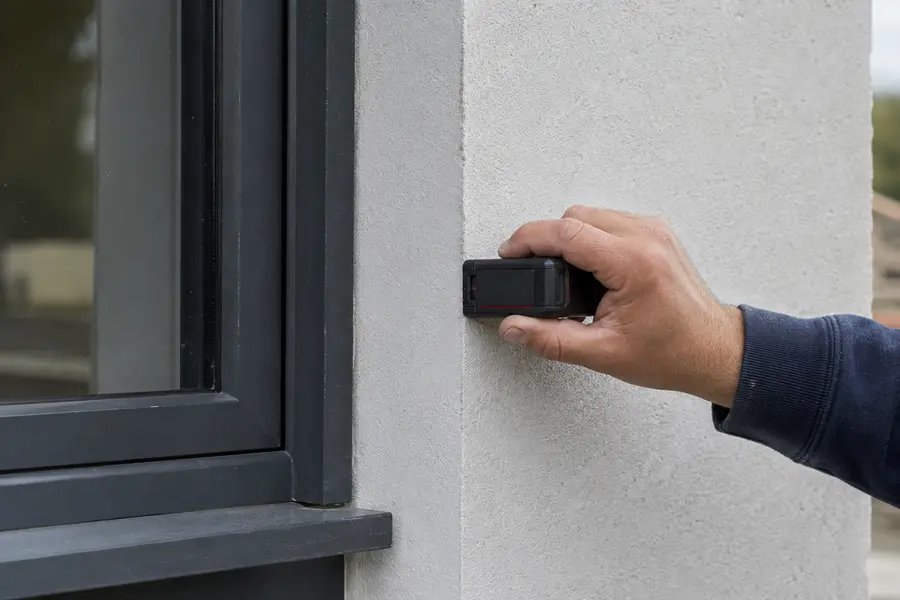
A proper survey takes longer than most people expect. Somebody should be measuring every opening individually rather than taking one and multiplying, checking whether the reveals are square, looking at the lintels, and asking which rooms suffer from condensation. If the whole visit takes fifteen minutes for a full house, it was a sales call rather than a survey.
Expect the survey to change the price in either direction. That is what it is for. A figure that never moves between the phone call and the contract was either padded at the start or is about to be revised later.
Get Two Addresses Locally
Ask for two houses nearby where they have done the same job. A fitter who is proud of their work will give you them without hesitating. Drive past and look at the outside.
Photographs on a website are useful but they are chosen. A finished job you can see from the road is not.
What you are looking at from the footpath is the joint where the frame meets the wall. Is the render made good and painted, or is there a band of bare mortar and a line of silicone doing work it was never meant to do? Are the sills sitting proud of the wall with a proper drip, or flush against the render where water will track back in?
Local matters more than it sounds. A contractor working in Mayo or Donegal is finishing against sustained Atlantic weather, and a detail that survives ten winters there is a different detail to one that is adequate in a sheltered midlands estate. Seeing their work in conditions like yours is the point of asking.
Agree Who Makes Good
Taking a window out disturbs the plaster inside and the render outside. Agree in writing who repairs what, and whether painting is included.
Agree what happens to the old frames too. Removal and disposal is either in the price or it is your skip.
Making good is where most of the dissatisfaction on window jobs comes from, and almost none of it comes from the windows. The frames are usually fine. What people are annoyed about six months later is the unpainted patch under the sill, the cracked plaster line above the reveal, or the fact that nobody agreed in advance whose job it was.
Get it specific. Plaster made good and left ready for paint is a different promise to plaster made good and painted, and both are different to a bead of filler. Write down which one you were quoted.
Questions Worth Asking Before You Sign
Who is actually doing the fitting? Some companies sell and subcontract. That is not a problem in itself, but you should know whether the person who surveyed will be on site, and who you ring if something needs adjusting afterward.
What is the guarantee, and who honours it? A frame guarantee from a manufacturer covers the frame. It does not cover the fitting, and fitting is where problems happen. Ask for the installation guarantee separately and ask how long the company has been trading under that name.
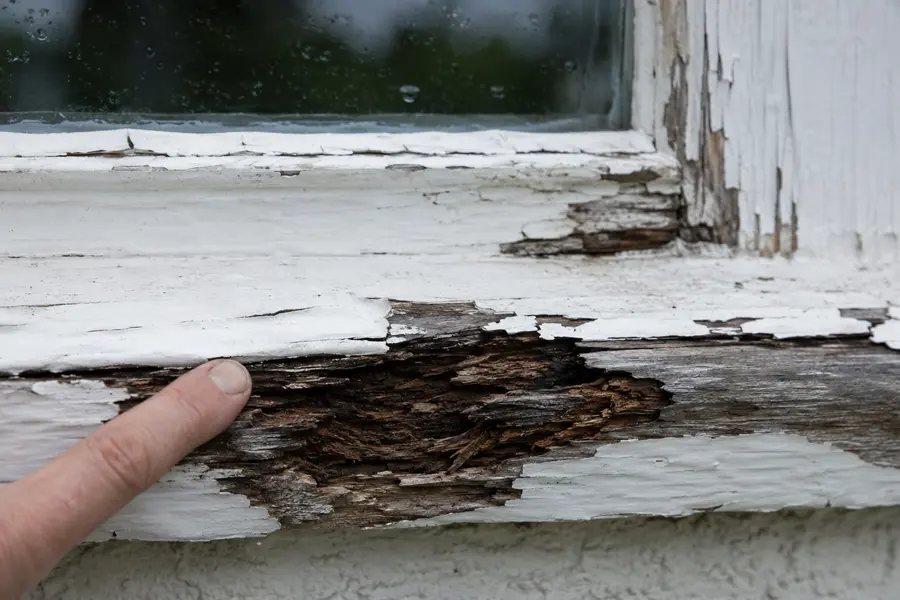
What happens if the survey finds rot in a lintel or a sill? There should be an answer before the work starts rather than a conversation on the day with the wall already open.
And what is the payment schedule? Staged payments tied to survey, delivery and completion are normal. A large sum up front, before anyone has measured, is not.
Warning Signs Worth Walking Away From
A discount that expires today. Made to measure frames are manufactured to order. Ask why a discount expires and compare it with written quotes from others.
A quote that arrives as a single figure with no breakdown, and a reluctance to provide one. If the job has been priced properly the detail already exists.
No written contact details beyond a mobile number. You may need to find this company in three years.
And pressure to decide while the salesperson is still in the house. Contractors should give a written quote, and you can compare it with others. Getting two or three quotes is a sensible step. If you have not started, pick your county and find the contractors registered there.
What Should Happen on Fitting Day
Knowing what a good day looks like is the easiest way to tell whether the crew in your house are doing it properly, and you do not need any technical knowledge to judge it.
Floors and furniture should be covered before anything comes out, and one opening should be worked at a time rather than stripping the whole house and leaving it open. On a wet week in Mayo or Donegal that is not fussiness, it is the difference between a dry house and a soaked one.
When the old frame comes out, look at the opening before the new one goes in. That is your only chance to see the lintel, the reveal and whether there is any rot behind the render. If something is wrong there, it should be raised with you at that moment rather than covered up.
The new frame should be packed and levelled with proper packers rather than shimmed with whatever is lying about, and it should be fixed through the frame into the structure, not held by foam. Foam fills a gap; it does not carry a window.
The perimeter is the last thing and the thing that matters most. It should be sealed properly on the outside and made good, not left as a bead of silicone across bare mortar. Ask to look at the first one finished before they do the other eleven.
At the end, every sash should open, close and lock without being forced, and you should be shown how to adjust and maintain the hardware. Snagging is normal. A contractor who expects to come back once is being realistic rather than careless.